Fire Damage Restoration in Portland & Surrounding Areas
Fire Damage EXPERTS
Complete Fire Damage Restoration for Portland, OR Homes & Businesses
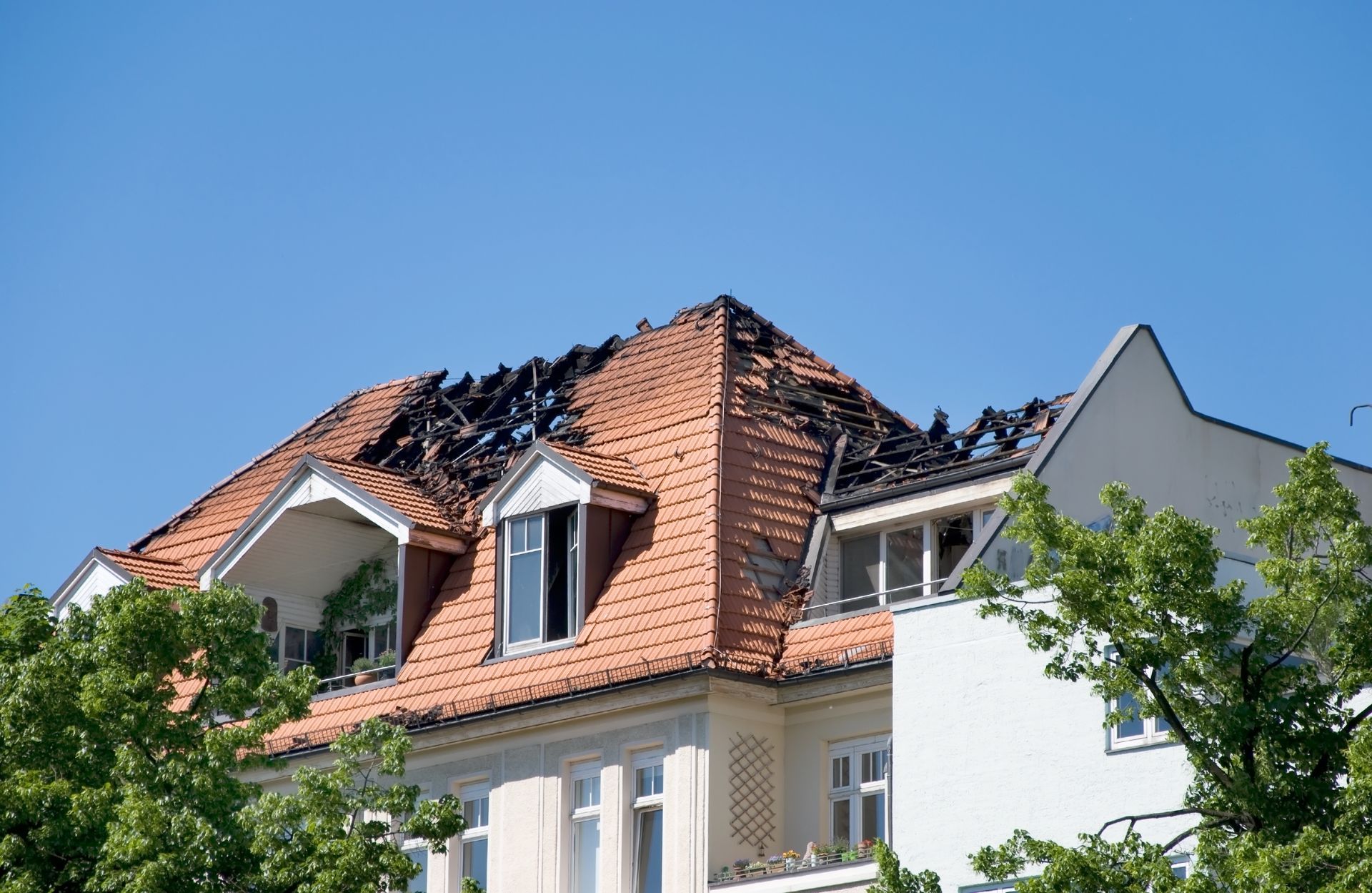
The burned room is the obvious part. Less obvious is the water the fire department used, which soaks into subfloors and wall cavities, and the heat that warps materials in rooms the flames never reached. All of it needs to be found and dealt with before rebuilding can start.
Carey Water Restoration of Oregon works on fire-damaged homes and businesses in Portland and nearby communities. Fire damage restoration includes:
- A walkthrough to document damage and decide what can be saved
- Removal of charred materials and fire debris
- Extraction of firefighting water and structural drying
- Daily moisture readings until framing and subfloors are dry
- Photos and a written scope for your insurance company
- Soot and odor cleanup through our smoke damage restoration service
Electrical and plumbing systems are inspected and repaired by licensed tradespeople. Our work prepares the property so they can do that safely.
THE DAMAGE ZONES
How Fire Damage Is Sorted & Handled
A single fire leaves several kinds of damage, and each one gets a different approach.
Hidden Damage to Watch for After a Fire
- Carpet or subfloor that still feels damp days after the fire
- Sagging or stained ceilings below or beside the fire area
- Soot around outlets, vents and light fixtures in other rooms
- Doors and windows that stick or no longer close
- Melted plastic on fixtures or electronics away from the flames
- A smoke smell in closets, cabinets or bedding
Common Questions
Questions About Fire Damage Restoration
When is it safe to go back into a house after a fire?
Wait until the fire department says the structure is safe to enter. Leave utilities off until they've been checked, and avoid wiping soot-covered surfaces, which can push residue deeper into the material.
Why does fire damage restoration include water removal?
Fire hoses put a large amount of water into a building in a short time. Left in place, it causes the same swelling, rot and mold as a burst pipe, so drying starts as soon as debris is cleared.
How long does drying take after a fire?
Drying usually takes three to seven days, depending on how much water was used and which materials it reached. Moisture readings are taken daily until they confirm the structure is dry.
When can rebuilding start after fire damage?
Rebuilding should wait until damaged materials are removed and moisture readings are documented. Building over wet framing or subfloor traps moisture and can lead to mold.
Contact Carey Water Restoration of Oregon for fire damage restoration in Portland, OR. Our team will document the damage, remove what can't be saved and get the structure dry.