Structural Drying & Moisture Mapping in Portland, OR
Structural Drying EXPERTS
Structural Drying That Reaches the Water Hiding in Your Walls & Floors
Pulling up standing water is the fast part. The water that soaked into framing, subfloors and wall cavities stays behind, and on its own it can take weeks to leave. During that time wood swells, insulation stops insulating and mold has everything it needs.
Carey Water Restoration of Oregon dries the structure, not only the surfaces, in homes and businesses across Portland, West Linn, Oregon City and nearby communities. Structural drying includes:
- Baseline moisture readings at multiple points in floors, walls and ceilings
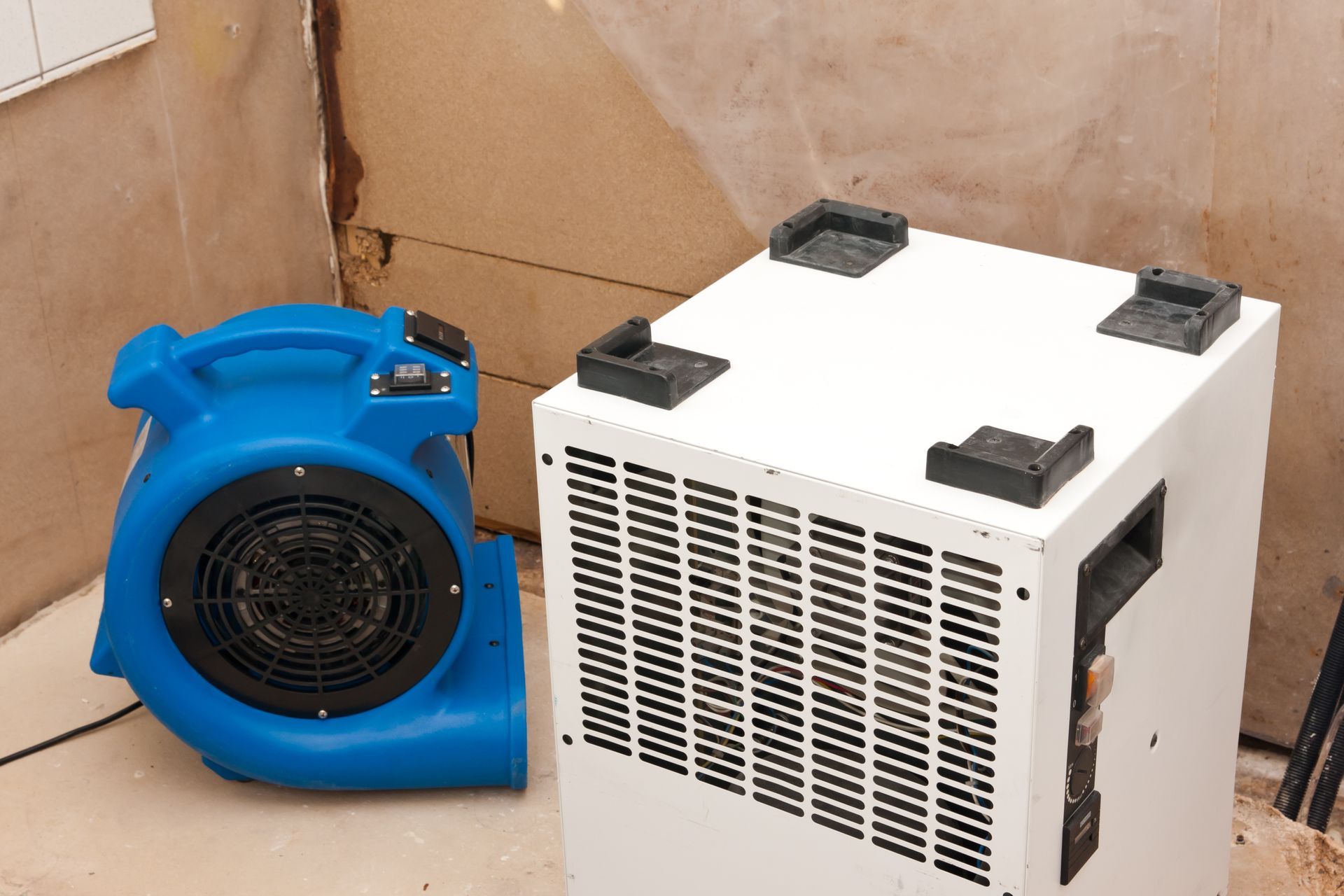
- Air movers that push air across wet surfaces and into wall cavities
- Dehumidifiers that pull water vapor out of the air so it doesn't soak back in
- Daily moisture mapping to track which areas are drying and which need more attention
- Removal of insulation and other materials that can't be dried
- Start and finish readings documented for your insurance company
Structural drying follows water damage restoration, storm cleanup and fire restoration, and it has to be finished before any rebuilding starts.
MATERIALS WE DRY
How Structural Drying Works on Different Materials
Every material holds and releases water at its own pace, so the drying setup changes with what got wet.
Signs That Water Is Still Trapped in the Structure
- Floors that feel soft or spongy days after a leak
- Baseboards that swell or separate from the wall
- Hardwood boards that cup or crown
- Drywall that bulges or crumbles near the floor
- Doors that stick in their frames
- A musty smell that gets stronger instead of fading
Common Questions
Questions About Structural Drying
Can I turn off structural drying equipment at night?
It's best to leave it running. Turning off air movers and dehumidifiers lets humidity climb back up, which slows drying and can add days to the job.
How do you know when structural drying is finished?
Readings from wet materials are compared with readings from the same materials in unaffected parts of the building. Drying is complete when the two match, and both sets of numbers are documented.
What happens if structural drying is skipped?
Trapped moisture makes framing and subfloors swell and warp, which leads to uneven floors and cracked drywall. Mold can start within a day or two, often behind walls where nobody sees it until the smell shows up.
Contact Carey Water Restoration of Oregon for structural drying in Portland, OR. Our team will map the moisture, set up drying equipment and document the readings until your property is dry.