Mold Remediation for Portland Residents
Mold Remediation EXPERTS
Effective Mold Remediation That Gets Rid Of the Moisture
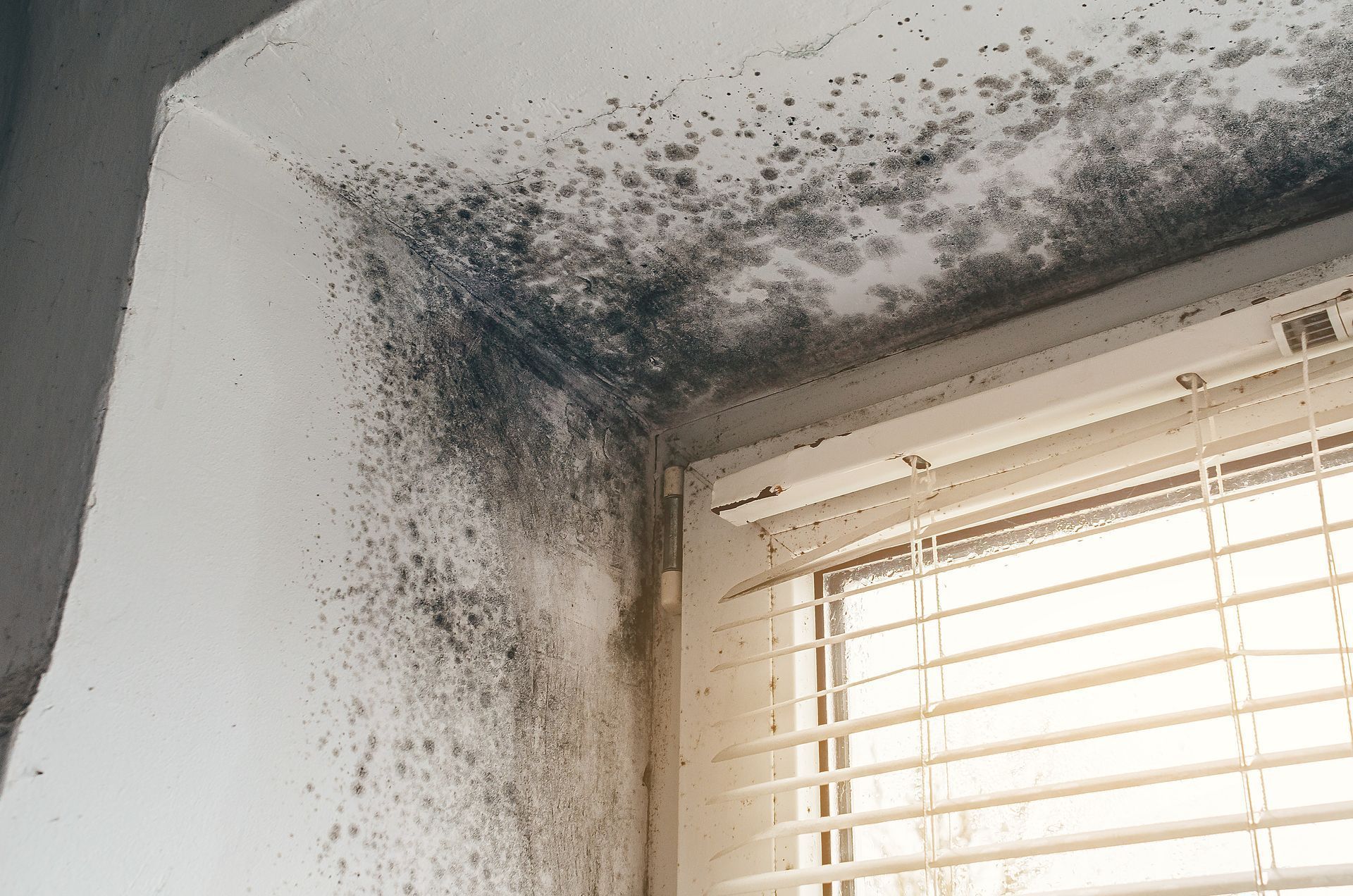
By the time you notice dark spots on a wall or a musty smell in the basement, mold has usually been growing for a while. It needs moisture, a surface to feed on and a little time, and Portland's damp months supply plenty of all three. Crawl spaces, bathrooms, attics and rooms that once had a leak that wasn't fully dried are the most common places we find it in homes around Portland, Damascus, Happy Valley and nearby communities.
Carey Water Restoration of Oregon removes mold and identifies what let it grow. Mold remediation includes:
- Inspection of the affected area and the surrounding materials
- Containment with plastic sheeting and negative air pressure to keep spores from spreading
- HEPA air scrubbers running throughout the work
- Removal and bagging of mold-damaged drywall, insulation and other porous materials
- Cleaning non-porous surfaces with antimicrobial solutions
- An explanation of the moisture source, so the leak or drainage problem can be fixed before rebuilding
SAVING OR REMOVING?
What Can Be Cleaned & What Has to Come Out
Mold remediation follows the IICRC S520 standard, and much of the work depends on how porous the affected material is.
Signs Your Home Has a Mold Problem
- A musty smell in the basement, crawl space or closets
- Dark spots along ceiling edges, window frames or bathroom grout
- Windows that fog with condensation most mornings
- Paint that peels or drywall that looks warped
- An old leak that was wiped up but never professionally dried
- Mold that keeps coming back after you clean it
Common Questions
Questions About Mold Remediation
Can I clean up mold myself instead of hiring mold remediation?
The EPA says homeowners can often handle small patches under about 10 square feet. Larger areas, mold behind walls, mold in HVAC systems and growth caused by sewage or floodwater should be handled with containment and HEPA filtration.
Does bleach kill mold on drywall?
Bleach can lighten the stain, but it doesn't reach the growth inside porous drywall, and the mold can come back. Moldy drywall needs to be removed and the moisture problem corrected.
How long does mold remediation take?
A bathroom or closet often takes one to two days. Basements, crawl spaces and multi-room projects can take three to five days, depending on how far the growth has spread.
How do I keep mold from coming back after remediation?
Fix the moisture source first, keep indoor humidity below 60 percent and run bathroom and kitchen exhaust fans. Have any new leak dried promptly, before mold has a day or two to take hold.
Contact Carey Water Restoration of Oregon for mold remediation in Portland, OR. Our team will inspect the affected area, explain what's causing the growth and remove it safely.