Smoke Damage Restoration Across Portland Communities
Smoke Damage EXPERTS
Smoke Damage Restoration That Clears the Soot & the Smell
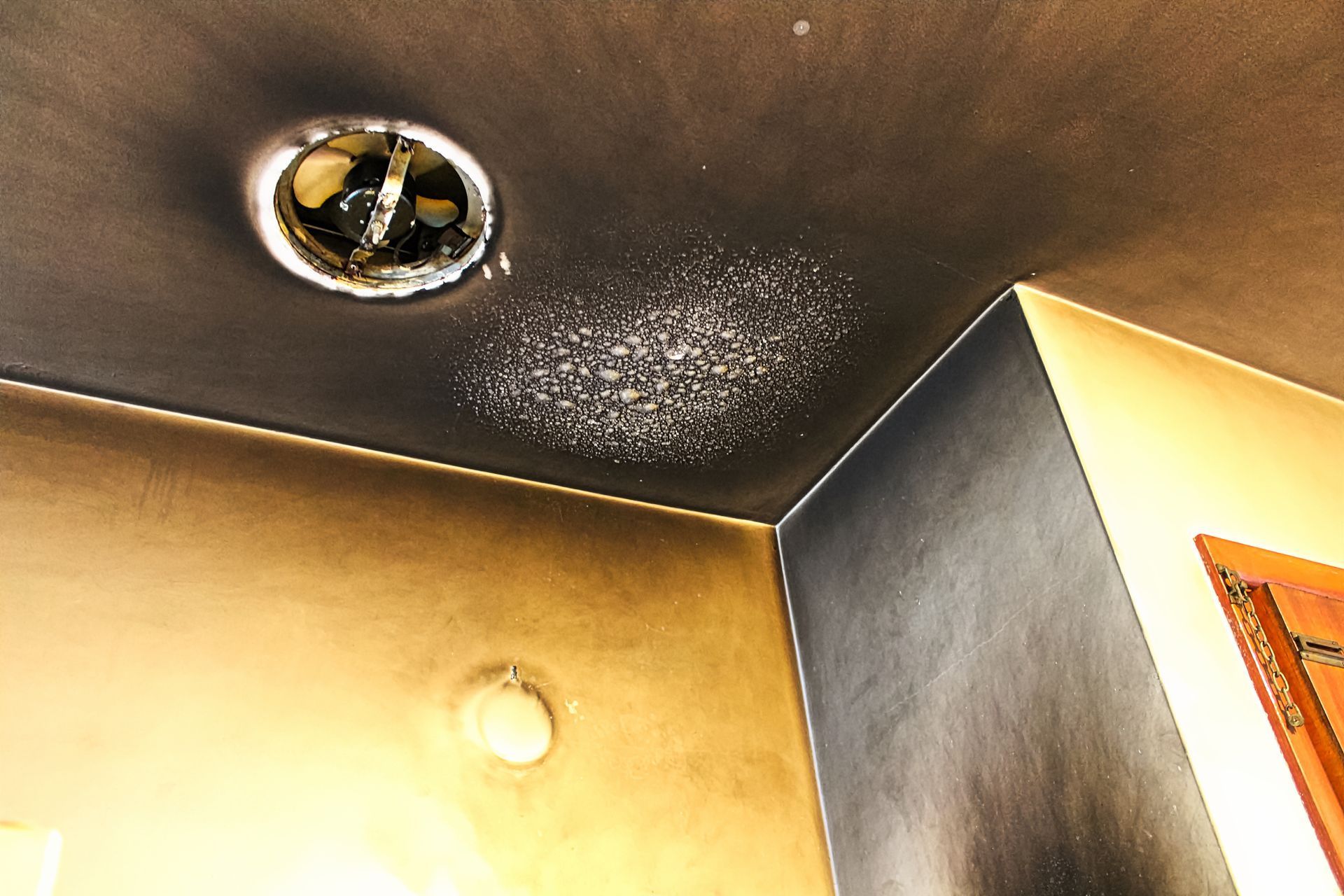
Smoke doesn't stay in the room where the fire started. It rides air currents through hallways and HVAC ducts, leaving soot on ceilings, inside closets and on belongings at the far end of the building. The odor comes from fine particles lodged in drywall, insulation and fabric, and it won't fade on its own.
Carey Water Restoration of Oregon cleans visible soot and the residue you can't see. Smoke damage restoration includes:
- Inspection of every affected room, including those away from the fire
- Dry soot sponges first, then cleaning agents matched to each surface
- Deodorization that treats odor at the source instead of covering it with fragrance
- HVAC inspection to find residue in ducts, filters and coils
- Photos and descriptions of items that can't be restored, for your insurance claim
- Surfaces prepped for repainting once cleaning and odor removal are confirmed
WHAT WE CAN RESTORE
Types of Smoke Residue & How Each Is Cleaned
What burned and how hot the fire ran decide what kind of residue it leaves, and each type needs its own cleaning approach.
Signs the Smoke Reached More Than One Room
- A gray film on walls and ceilings near air vents
- Dark outlines around outlets, light switches and door frames
- A yellow tint on cabinets or paint near the kitchen
- Smoke odor every time the heat or air conditioning turns on
- Discolored or pitted metal fixtures and hardware
- A smoke smell in clothes, bedding or closets
Common Questions
Questions About Smoke Damage Restoration
Can I wash smoke residue off walls myself?
Wet rags and household cleaners usually smear soot deeper into paint and drywall, especially oily residue from wet smoke. If you try it, start with a dry soot sponge on a small area and stop if the stain spreads.
Will smoke odor come back after smoke damage restoration?
Odor returns when residue is left in insulation, ductwork or other hidden spots, and warm, humid days can bring it back out. Cleaning every source and treating the ducts is what keeps it from returning.
Why does the HVAC system need inspection after smoke damage?
Smoke settles on filters, coils and duct walls, and the system spreads those particles through the building every time it runs. Inspection shows whether cleaning or part replacement is needed.
Contact Carey Water Restoration of Oregon for smoke damage restoration in Portland, OR. We'll inspect every affected room, remove the soot and treat the odor at its source.